Skip to content
  • Training portal
  • Careers
  • About
  • Contact us
  • Our work
    • Annual events
      • The Family Services Symposium
      • The OPEN Symposium
      • ResiROCKS
      • Early Years Forum
      • Anti-Poverty Week
      • Media Awards
    • Working with families
      • Adolescents who use violence in the home (AVITH)
    • Workforce capacity
      • Family Preservation Reunification Response (FPRR)
      • Outcomes, Practice and Evidence Network (OPEN)
      • Residential Care Learning and Development Strategy (RCLDS)
      • Switch to Social Work
    • Lived experience
      • Lived Experience Design Project
    • Education
      • Early Start, Bright Future
      • Education in Out-of-Home Care
      • Raising Expectations
    • Out-of-home care
      • Fostering Connections
      • Carer Kafe
  • How we work
    • Policy, research and submissions
    • Collaborations and partnerships
    • Network forums
      • Kinship Care Network
      • Children, Young People and Families Philanthropic Funders Network
  • Learning and development
    • Training and events calendar
    • Course catalogue
    • Custom training solutions
    • Nationally accredited programs
    • Residential Care Learning and Development Strategy (RCLDS)
    • MARAM Training
  • News
    • Media
    • Our newsletters
  • Resource hub
  • Become a member
  • Training portal
  • Careers
  • About
  • Contact us

Home   /   News   /   Less adversarial proceedings for vulnerable victorians

Less adversarial proceedings for vulnerable victorians


Amendments made to the Children, Youth and Families Act to make court proceedings less adversarial have been welcomed by the peak body for Victoria’s vulnerable children, young people and families.

27 Jun 2013

 

Amendments made to the Children, Youth and Families Act to make court proceedings less adversarial have been welcomed by the peak body for Victoria’s vulnerable children, young people and families.

This new legislation will reduce stress and trauma for vulnerable Victorian children, young people and families, and improve outcomes of proceedings in the Family Division of the Children’s Court.

The Centre for Excellence in Child and Family Welfare has long advocated for these improvements that were recommended in the Protecting Victoria’s Vulnerable Children Inquiry report.

The Centre’s CEO Deb Tsorbaris believes that these reforms will improve the experience and outcomes for children and facilitate decision-making in a way that promotes the best interests of the child.

Ms Tsorbaris said that “these improvements to the Children, Youth and Families Act make legal proceedings more child-focused and less daunting”.


Resources

  • CFECFW – Legal_reforms 28.6.13.pdf

Related articles

Postcards for a good life for Tasmania children

Content

Postcards for a good life for Tasmania children

31 Oct 2024

Tasmania’s Children’s Commissioner is asking children and young people across Tasmania what is needed to make...

Launch of Tasmanian Youth Justice Reform Taskforce Action Plan

Content

Launch of Tasmanian Youth Justice Reform Taskforce Action Plan

30 Oct 2024

An action plan to progress youth justice reform over the next 12 months has been launched...
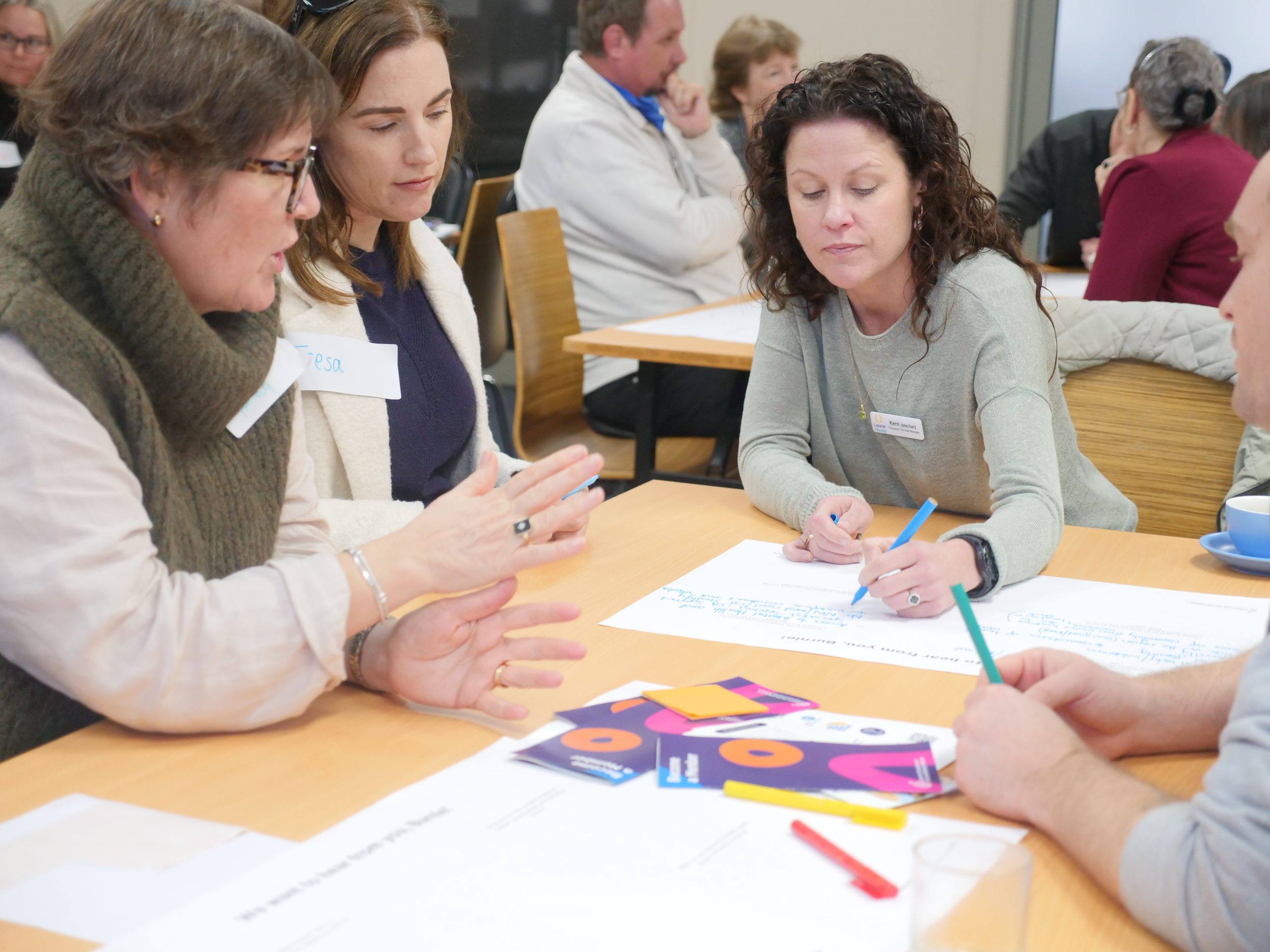
What we heard – the Connecting Tasmanian Communities Tour

Content

What we heard – the Connecting Tasmanian Communities Tour

28 Oct 2024

The Centre has concluded our Connecting Tasmanian Communities Tour, covering 1,620 km across the state, where...

Last updated: 27 Jun 2013

  • (03) 9614 1577
  • 50 Market Street, Melbourne, VIC 3000
  • About us
  • How we work
  • Our work
  • Resource hub
  • Learning and development
  • News
  • Our Newsletters
  • Careers
  • Contact us
  • Child Safe Policy
  • Accessibility Policy
  • Privacy Statement
  • Terms and Conditions

The Centre for Excellence in Child and Family Welfare Tas Vic acknowledges the Traditional Custodians of the lands on which we live and work, the palawa/pakana of lutruwita and the Wurundjeri people of the Kulin Nations. We pay our respects to Elders past and present. We honour their enduring strength and aspirations for the future of their young people, communities and lands.

We appreciate and celebrate diversity in all its forms. We believe diversity of all kinds makes our teams, services and organisation stronger and more effective.