Skip to content
  • Training portal
  • Careers
  • About
  • Contact us
  • Our work
    • Annual events
      • The Family Services Symposium
      • The OPEN Symposium
      • ResiROCKS
      • Early Years Forum
      • Anti-Poverty Week
      • Media Awards
    • Working with families
      • Adolescents who use violence in the home (AVITH)
    • Workforce capacity
      • Family Preservation Reunification Response (FPRR)
      • Outcomes, Practice and Evidence Network (OPEN)
      • Residential Care Learning and Development Strategy (RCLDS)
      • Switch to Social Work
    • Lived experience
      • Lived Experience Design Project
    • Education
      • Early Start, Bright Future
      • Education in Out-of-Home Care
      • Raising Expectations
    • Out-of-home care
      • Fostering Connections
      • Carer Kafe
  • How we work
    • Policy, research and submissions
    • Collaborations and partnerships
    • Network forums
      • Kinship Care Network
      • Children, Young People and Families Philanthropic Funders Network
  • Learning and development
    • Training and events calendar
    • Course catalogue
    • Custom training solutions
    • Nationally accredited programs
    • Residential Care Learning and Development Strategy (RCLDS)
    • MARAM Training
  • News
    • Media
    • Our newsletters
  • Resource hub
  • Become a member
  • Training portal
  • Careers
  • About
  • Contact us

Home   /   News   /   Children with Disabilities using Child and Family Welfare Services

Children with Disabilities using Child and Family Welfare Services

New research has discovered that a high proportion of children living in foster and kinship care are suffering preventable disabilities related to their experiences of family violence, abuse and neglect.

01 May 2014

New research has discovered that a high proportion of children living in foster and kinship care are suffering preventable disabilities related to their experiences of family violence, abuse and neglect.

The report outlining these findings was today launched by Andrea Coote MLC, Parliamentary Secretary for Family and Communities.

The research undertaken by community service organisation OzChild shows that attachment disorder, post-traumatic stress disorder, anxiety and other mental illnesses are common, while the system is failing to deliver many children adequate levels of support.

Lisa Sturzenegger, CEO of OzChild, identified disability as a major factor in family breakdown and called for the recommendations from the research to be actioned.

“OzChild undertook this research to confirm what we already were observing, that is, the nature and extent of disability amongst the children who use our services is significant. Our research showed that half the disabilities of children in out-of-home care were environmentally based, that is, they are preventable”. 

Ms Sturzenegger said that she is “outraged that 42% of children in OzChild services have a disability compared to 3% of the general population”.

CEO of the Centre for Excellence in Child and Family Welfare, Deb Tsorbaris, said that “the findings highlight the important or prevention… increasing family and carer support is key to preventing children with disabilities from entering the protective system”.

“This work reinforces the need for flexibility in the way support is delivered to ensure services are tailored to each child’s specific needs, with integrated and connected primary care, disability and protective services”.

“This funding should be improved to help carers to cope with children’s disabilities, deliver better training for staff, offer children better assessment and diagnosis, and identify placements at risk earlier so appropriate support can be implemented.

A panel of experts discussed the key challenges and opportunities for young people with disabilities in child and family services at the launch. The panel included:

  • Andrea Coote MLC – Parliamentary Secretary for Community Services
  • Bernie Geary OAM, Principal Commissioner for Children and Young People
  • Laurie Harkin AM – Disability Services Commissioner
  • Kate Jenkins – Equal Opportunity and Human Rights Commissioner
  • James O’Brien – State Manager, National Disability Services
  • Elizabeth McGarry – Association for Children with a Disability
  • Robyn Miller – Principal Practitioner, Department of Human Services
  • Frank Lambrick – Principal Practitioner Disability Services

A copy of the report is available below.

Resources

  • Disability – Child_family_services_0.pdf

Related articles

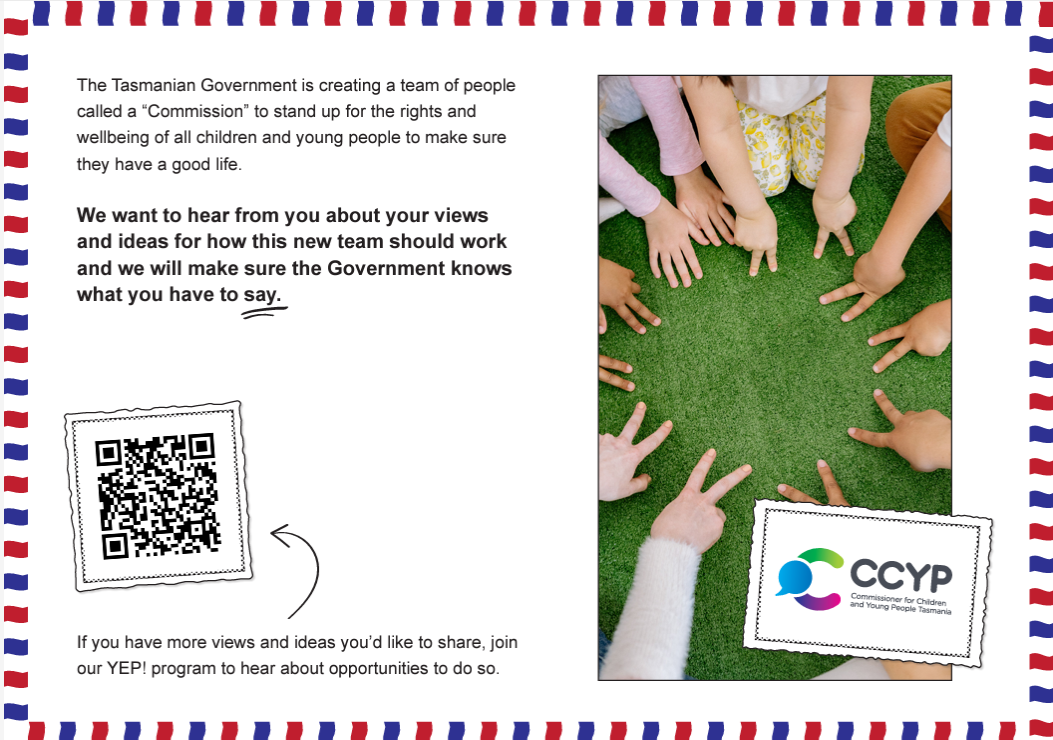
Postcards for a good life for Tasmania children

Content

Postcards for a good life for Tasmania children

31 Oct 2024

Tasmania’s Children’s Commissioner is asking children and young people across Tasmania what is needed to make...

Launch of Tasmanian Youth Justice Reform Taskforce Action Plan

Content

Launch of Tasmanian Youth Justice Reform Taskforce Action Plan

30 Oct 2024

An action plan to progress youth justice reform over the next 12 months has been launched...
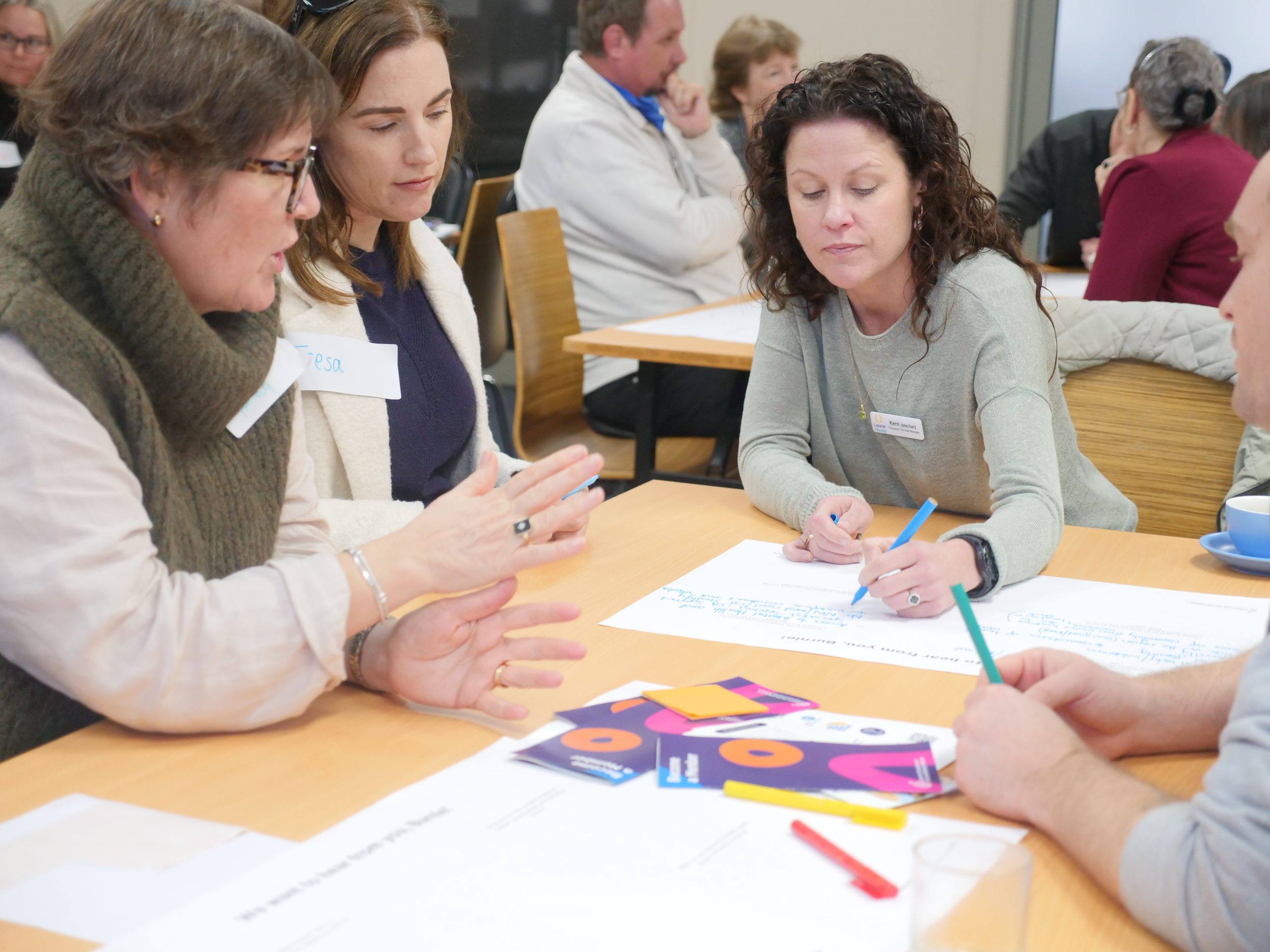
What we heard – the Connecting Tasmanian Communities Tour

Content

What we heard – the Connecting Tasmanian Communities Tour

28 Oct 2024

The Centre has concluded our Connecting Tasmanian Communities Tour, covering 1,620 km across the state, where...

Last updated: 01 May 2014

  • (03) 9614 1577
  • 50 Market Street, Melbourne, VIC 3000
  • About us
  • How we work
  • Our work
  • Resource hub
  • Learning and development
  • News
  • Our Newsletters
  • Careers
  • Contact us
  • Child Safe Policy
  • Accessibility Policy
  • Privacy Statement
  • Terms and Conditions

The Centre for Excellence in Child and Family Welfare Tas Vic acknowledges the Traditional Custodians of the lands on which we live and work, the palawa/pakana of lutruwita and the Wurundjeri people of the Kulin Nations. We pay our respects to Elders past and present. We honour their enduring strength and aspirations for the future of their young people, communities and lands.

We appreciate and celebrate diversity in all its forms. We believe diversity of all kinds makes our teams, services and organisation stronger and more effective.