Skip to content
  • Training portal
  • Careers
  • About
  • Contact us
  • Our work
    • Annual events
      • The Family Services Symposium
      • The OPEN Symposium
      • ResiROCKS
      • Early Years Forum
      • Anti-Poverty Week
      • Media Awards
    • Working with families
      • Adolescents who use violence in the home (AVITH)
    • Workforce capacity
      • Family Preservation Reunification Response (FPRR)
      • Outcomes, Practice and Evidence Network (OPEN)
      • Residential Care Learning and Development Strategy (RCLDS)
      • Switch to Social Work
    • Lived experience
      • Lived Experience Design Project
    • Education
      • Early Start, Bright Future
      • Education in Out-of-Home Care
      • Raising Expectations
    • Out-of-home care
      • Fostering Connections
      • Carer Kafe
  • How we work
    • Policy, research and submissions
    • Collaborations and partnerships
    • Network forums
      • Kinship Care Network
      • Children, Young People and Families Philanthropic Funders Network
  • Learning and development
    • Training and events calendar
    • Course catalogue
    • Custom training solutions
    • Nationally accredited programs
    • Residential Care Learning and Development Strategy (RCLDS)
    • MARAM Training
  • News
    • Media
    • Our newsletters
  • Resource hub
  • Become a member
  • Training portal
  • Careers
  • About
  • Contact us

Home   /   News   /   Foster Care Futures

Foster Care Futures

Foster Care Week 2013 has been an enormous success, with 20 separate activities held across Victoria to celebrate the contribution foster care makes to our community.

29 Sep 2013
Foster Care Week 2013 has been an enormous success, with 20 separate activities held across Victoria to celebrate the contribution foster care makes to our community.

As well as raising awareness of foster care, the week has highlighted some pressing challenges that our system needs to overcome to improve the delivery of care to these particularly vulnerable children, and support the carers that welcome them into their homes.

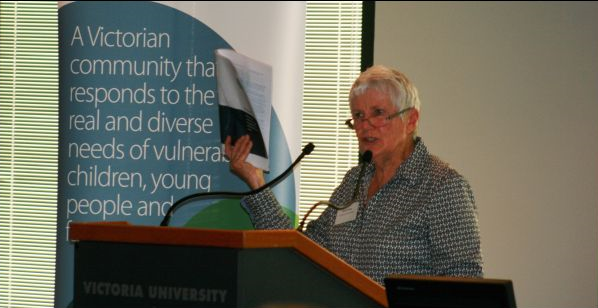
The Centre’s Foster Care Futures breakfast brought 70 policy experts from agencies, the Department and academia together to discuss the future directions of foster care in Australia.

The breakfast also provided an opportunity for the Centre to launch its Pathways to Caring report into the strategic engagement of potential foster carers, and Foster Care Status Report.

Bernie Geary, the Victorian Commissioner for Children and Young People, opened the event with a particularly heartfelt acknowledgement of the importance of foster care, while recognising the value of those that volunteer to undertake this crucial role. A transcript of his welcome is available here.

Keynote speaker Marilyn McHugh from the University of NSW delivered a succinct and powerful message for the Victorian government – raise reimbursements. She described how unreasonable it is to ask foster carers ‘to do the job they do but not give them the money to do it’. This was a consistent theme across Foster Care Week, with almost universal acknowledgement of the need to improve financial conditions as a matter of urgency. Victorian reimbursement rates lag dramatically behind the ACT, NSW and Queensland, and sector staff identified this as a fundamental issue needing immediate attention.

Bev Orr from the National Foster Care Association spoke about the important of respecting and recognising our foster carers, reinforcing a key theme identified through the Centre’s research. Feeling disrespected or unrecognised is the leading cause of foster carers dropping out of the system, which further compounds our current shortage of foster households. The emphasis on care team meetings within enhanced models of care (like The Circle Program) has demonstrated improvements to carer attrition, and we will continue to advocate for the expansion of these therapeutic programs.

VACCA’s CEO Muriel Bamblett spoke about the challenges our system faces finding Aboriginal placements for Aboriginal children. One in every six young people living in out-of-home care have an Aboriginal background, which underlines the importance of the Aboriginal Out-of-home Care Plan currently underway.

CEO of Families Australia – Brian Babington – spoke last, raising some practical considerations for our sector since the change of federal government. Positively, he indicated support from the Coalition for a number of programs already underway, but we will have to wait for further action on these issues.

The success of the breakfast has led the Centre to reform the Foster Care Network, which will meet on 2 October to discuss the key themes emerging from the breakfast. If you would like to discuss these issues please contact the Centre on 9614 1577. We will report back on progress next month.


Related articles

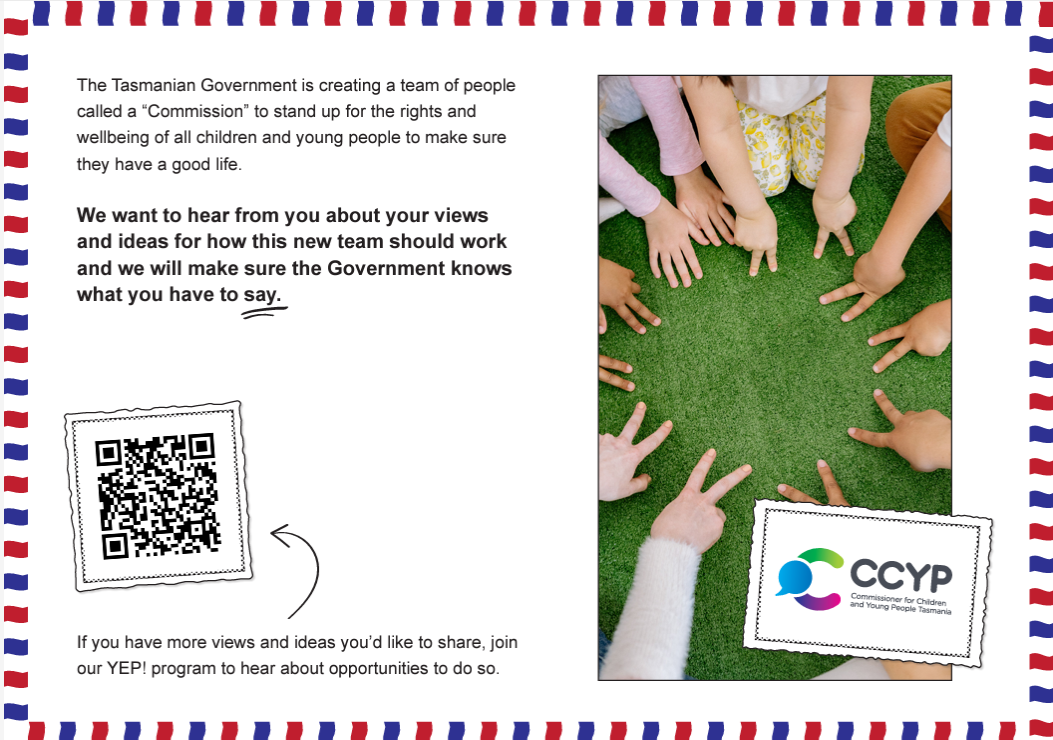
Postcards for a good life for Tasmania children

Content

Postcards for a good life for Tasmania children

31 Oct 2024

Tasmania’s Children’s Commissioner is asking children and young people across Tasmania what is needed to make...

Launch of Tasmanian Youth Justice Reform Taskforce Action Plan

Content

Launch of Tasmanian Youth Justice Reform Taskforce Action Plan

30 Oct 2024

An action plan to progress youth justice reform over the next 12 months has been launched...
What we heard – the Connecting Tasmanian Communities Tour

Content

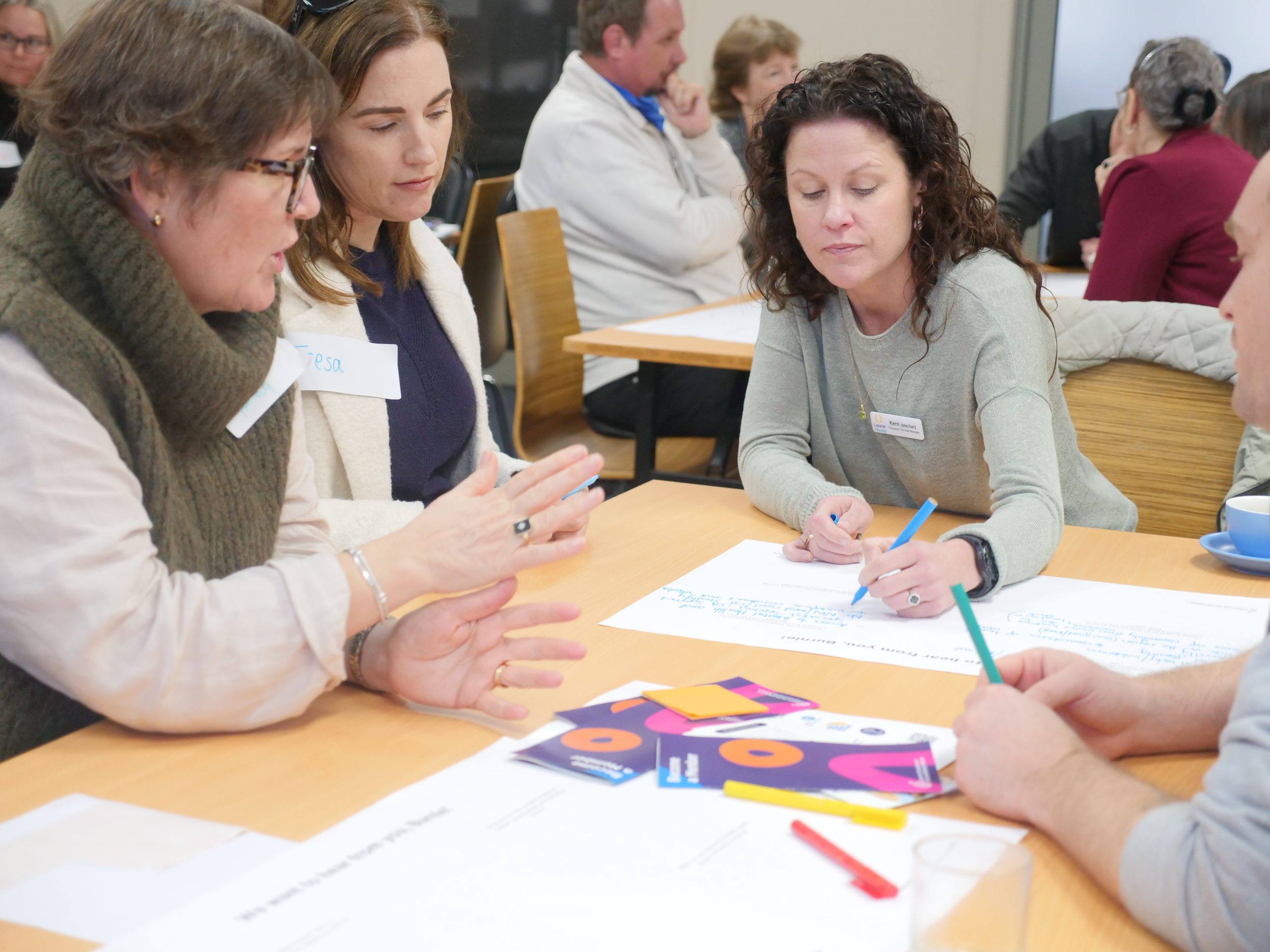
What we heard – the Connecting Tasmanian Communities Tour

28 Oct 2024

The Centre has concluded our Connecting Tasmanian Communities Tour, covering 1,620 km across the state, where...

Last updated: 29 Sep 2013

  • (03) 9614 1577
  • 50 Market Street, Melbourne, VIC 3000
  • About us
  • How we work
  • Our work
  • Resource hub
  • Learning and development
  • News
  • Our Newsletters
  • Careers
  • Contact us
  • Child Safe Policy
  • Accessibility Policy
  • Privacy Statement
  • Terms and Conditions

The Centre for Excellence in Child and Family Welfare Tas Vic acknowledges the Traditional Custodians of the lands on which we live and work, the palawa/pakana of lutruwita and the Wurundjeri people of the Kulin Nations. We pay our respects to Elders past and present. We honour their enduring strength and aspirations for the future of their young people, communities and lands.

We appreciate and celebrate diversity in all its forms. We believe diversity of all kinds makes our teams, services and organisation stronger and more effective.